HVAC · Cowansville, PA
Cobra HVAC records load calculations and static pressure readings for every installation. Equipment is matched to the measured requirements of the home rather than replaced on a like-for-like basis.
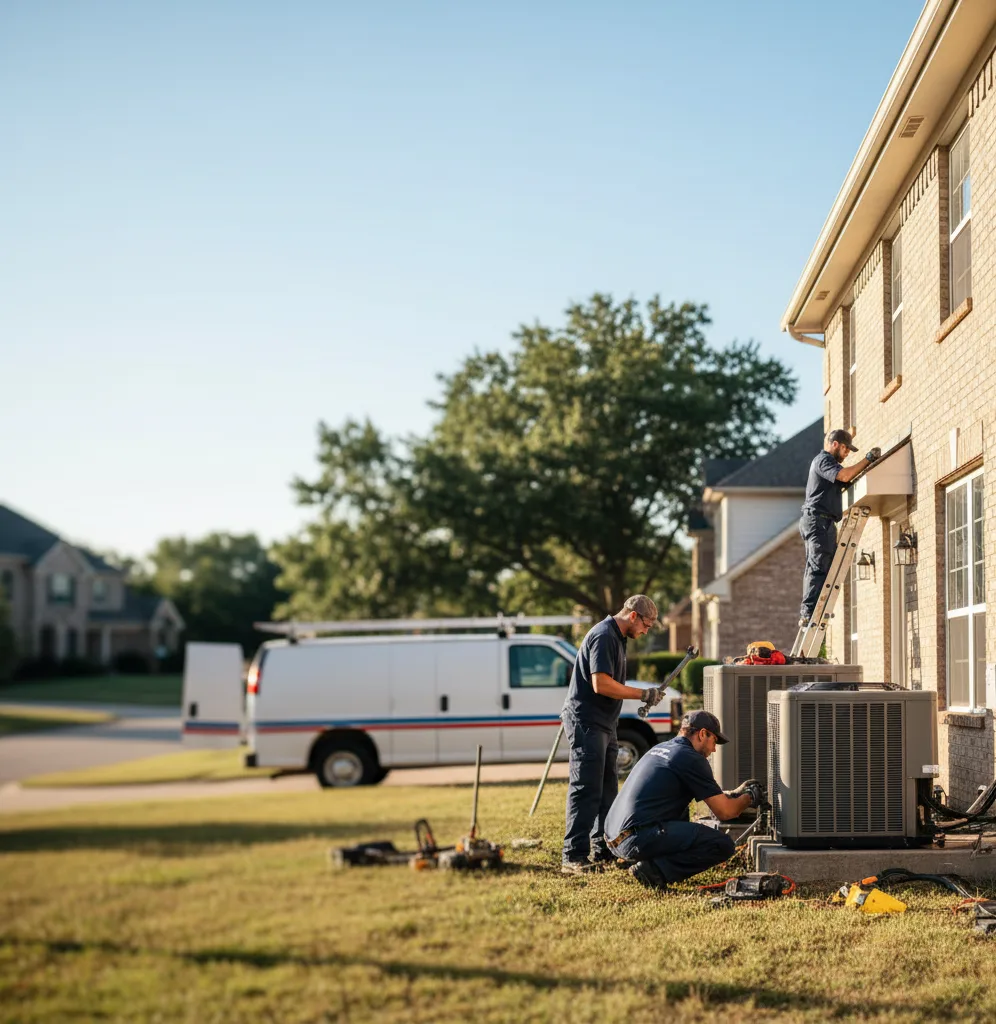
Technicians begin by measuring the conditioned space and reviewing insulation values in walls, attics, and crawl spaces. They also note the number and orientation of windows plus any recent additions that have changed the heating load. These measurements are entered into industry-standard software that produces a Manual J calculation. The result guides selection of a furnace with the proper British thermal unit output rather than relying on the size of the previous unit. Oversized equipment short-cycles and fails to remove humidity, while undersized units run continuously without reaching the thermostat setting. The calculation accounts for Armstrong building practices and typical construction dates found in the area. Once capacity is established, the team reviews fuel type availability and any planned changes to the home envelope that could affect future loads.
The blower motor, evaporator coil, and thermostat wiring are examined for compatibility with the new furnace. Technicians check return-air pathways to confirm they meet minimum size requirements. They also note the condition of the condensate drain line if the home has central air conditioning. Any corrosion or undersized ducts are documented so the homeowner understands what additional work may be needed during the same visit. This inspection prevents later callbacks caused by mismatched components.
The type of soil under a house decides how much its foundation moves over the years, which can affect duct routing and equipment stability during furnace work. Cowansville rests on clay loam. Weather patterns set the overall heating load a system must meet across the seasons.
Cowansville has warm summers and hard winters, around 30 inches of snow a year, and 145 nights below freezing. Installers therefore size and place equipment to match those demands without excess strain on the home. A separate set of site factors can also shape the job on any given property.
The most frequent issues here involve a long freeze season. These elements guide material choices and layout decisions so the finished installation performs reliably in the actual surroundings.
FAQ

The price depends on the location of the leak, whether access requires removing panels or moving ductwork, and how much refrigerant must be recovered and replaced. Small leaks in accessible lines are often less expensive than those inside the coil itself. A full diagnosis is needed before an accurate range can be given.
Most filters slide out from a marked compartment near the indoor unit and can be swapped without tools. If the system still runs poorly after a new filter is installed, the next step is a check of the blower wheel and evaporator coil for deeper buildup. A service call then confirms whether the issue is limited to airflow or something further in the refrigeration circuit.
Short cycling often comes from an oversized system, a dirty filter that restricts airflow, or a failing thermostat that misreads room temperature. The technician checks the temperature split across the coils and reviews the recent run times logged by the control board. Once the cause is identified the repair focuses on restoring steady operation rather than masking the symptom.
HVAC Repair across Cowansville, PA. Call (888) 206-0387.
Call (888) 206-0387